Decoding the Supply Chain: Managing 10,000 Units for a Nationwide Rollout by Mid-2026
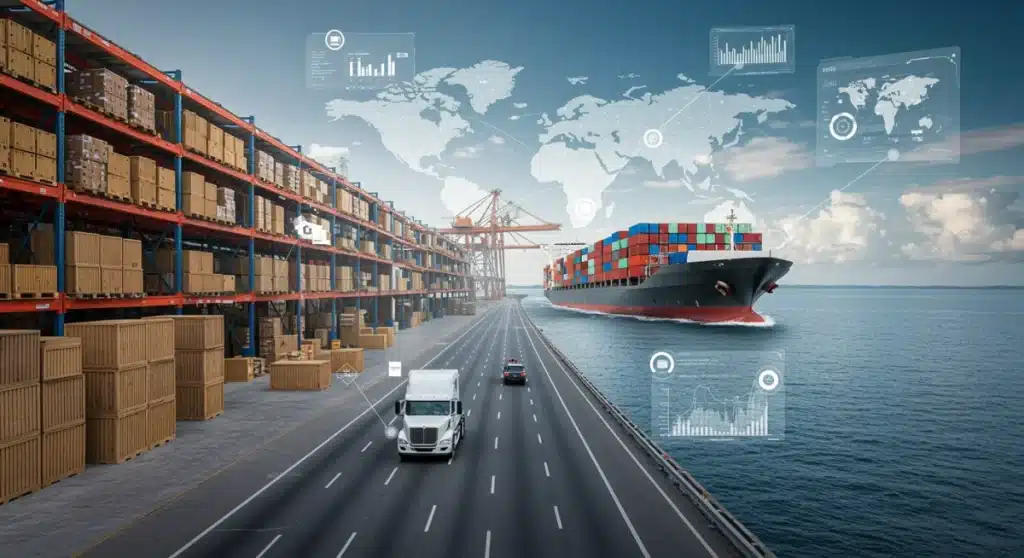
Effectively managing a 10,000-unit nationwide rollout by mid-2026 demands meticulous supply chain strategy, encompassing demand forecasting, vendor selection, robust logistics, and agile risk management to ensure timely and cost-efficient delivery across the United States.
Embarking on a nationwide product launch is an ambitious undertaking, especially when it involves orchestrating the movement of 10,000 units for a nationwide rollout by mid-2026. This endeavor is far more than just shipping boxes; it’s a intricate dance of planning, execution, and constant adaptation. How can businesses navigate this logistical maze to ensure a seamless and successful deployment across the expansive landscape of the United States?
The foundation of a successful rollout: strategic planning
A successful nationwide rollout begins long before the first unit leaves the factory floor. Strategic planning forms the bedrock, dictating every subsequent action and decision. This initial phase involves a deep dive into market analysis, demand forecasting, and resource allocation, setting clear objectives and defining the scope of the operation. Without a robust strategy, even the most innovative product can falter under the weight of logistical challenges.
Understanding the target market and its unique characteristics across different regions of the United States is paramount. This insight informs not only the distribution strategy but also the localized marketing efforts, ensuring that each unit reaches its intended recipient efficiently and effectively. The goal is not just to deliver units, but to deliver them to the right place, at the right time, and in optimal condition.
Demand forecasting and market analysis
Accurate demand forecasting is a critical component of strategic planning. It involves leveraging historical data, market trends, and predictive analytics to estimate the number of units required in each region. Overestimating can lead to excess inventory and storage costs, while underestimating can result in stockouts and missed sales opportunities.
- Utilize advanced analytical tools for data-driven predictions.
- Incorporate regional sales data and seasonal variations.
- Account for potential market shifts and competitive landscapes.
- Collaborate with sales and marketing teams for qualitative insights.
Thorough market analysis goes hand-in-hand with forecasting, identifying key distribution hubs and understanding local infrastructure capabilities. This helps in tailoring the supply chain to specific geographical requirements, optimizing routes, and minimizing transit times.
Vendor selection and partnership management
The success of a 10,000-unit nationwide rollout hinges significantly on the quality of your partnerships. Selecting the right vendors, from raw material suppliers to transportation providers and warehousing facilities, is a strategic decision that impacts every stage of the supply chain. These relationships must be built on trust, transparency, and a shared commitment to excellence.
Effective partnership management extends beyond initial selection; it involves continuous communication, performance monitoring, and collaborative problem-solving. A strong vendor network provides resilience against unforeseen disruptions and ensures that all components of the supply chain are working in harmony towards the common goal of a successful rollout.
Establishing robust supplier relationships
Building strong relationships with suppliers is essential for securing consistent quality and timely delivery of components or finished products. This involves clear contractual agreements, performance metrics, and regular feedback loops. A reliable supplier base minimizes delays and ensures the integrity of the product throughout its journey.
- Conduct comprehensive due diligence on potential vendors.
- Negotiate clear service level agreements (SLAs) and key performance indicators (KPIs).
- Implement regular performance reviews and feedback sessions.
- Foster open communication channels for proactive issue resolution.
Partnering with experienced logistics providers who understand the nuances of nationwide distribution across the United States is equally vital. Their expertise in route optimization, freight management, and customs clearance can significantly streamline operations and reduce costs.
Logistics and distribution network optimization
The physical movement of 10,000 units across a vast country like the United States demands a highly optimized logistics and distribution network. This involves careful consideration of warehousing strategies, transportation modes, and last-mile delivery solutions. The goal is to create a seamless flow of goods from manufacturing sites to the end-users, minimizing transit times and costs while maximizing delivery reliability.
A well-designed distribution network ensures that inventory is strategically positioned, reducing the need for long-haul shipments and enabling quicker responses to fluctuating regional demands. This optimization is a continuous process, leveraging data analytics and real-time tracking to identify bottlenecks and improve efficiency.
Warehousing strategies and inventory management
Strategic placement of warehouses and distribution centers is crucial for efficient inventory management. This minimizes transportation costs and speeds up delivery times. Effective inventory management systems are necessary to track stock levels, manage replenishment, and prevent obsolescence.
- Implement a centralized inventory management system for real-time visibility.
- Optimize warehouse locations based on demand density and transportation hubs.
- Utilize cross-docking where appropriate to reduce storage time.
- Employ lean inventory principles to minimize holding costs.
Choosing the right transportation mix—road, rail, air, or sea—for different legs of the journey can significantly impact both cost and speed. For a nationwide rollout, a multimodal approach often provides the most flexible and cost-effective solution, allowing for adaptation to various geographical and time-sensitive requirements.
Technology integration and data analytics
In the modern supply chain, technology is not just an enabler; it is a fundamental driver of efficiency, visibility, and responsiveness. Integrating advanced technologies and leveraging data analytics are indispensable for managing the complexity of a 10,000-unit nationwide rollout. From inventory tracking to predictive maintenance, technology provides the tools to optimize every facet of the operation.
Real-time data insights empower decision-makers to react swiftly to disruptions, identify opportunities for improvement, and ensure that the supply chain remains agile and resilient. The ability to collect, analyze, and act upon data is what separates a reactive supply chain from a proactive one.
Supply chain management systems (SCMS)
Implementing a comprehensive Supply Chain Management System (SCMS) provides end-to-end visibility across the entire network. These systems integrate various functions, including procurement, inventory, logistics, and order fulfillment, into a single platform. This holistic view is crucial for coordinating complex operations and identifying potential issues before they escalate.
- Adopt an SCMS with robust real-time tracking capabilities.
- Ensure seamless integration with existing enterprise resource planning (ERP) systems.
- Leverage SCMS for automated order processing and inventory updates.
- Utilize predictive analytics features for demand forecasting and risk assessment.
The power of data analytics extends beyond simple tracking; it involves using algorithms and machine learning to uncover patterns, predict future events, and recommend optimal strategies. This can lead to significant improvements in efficiency, cost reduction, and customer satisfaction, making the rollout smoother and more successful.
Risk mitigation and contingency planning
Even the most meticulously planned supply chain can encounter unforeseen challenges. Natural disasters, geopolitical events, supplier failures, or sudden shifts in demand can all disrupt operations. Therefore, robust risk mitigation strategies and comprehensive contingency plans are not merely advisable; they are absolutely essential for a successful 10,000 units for a nationwide rollout by mid-2026.
Proactive identification of potential risks, coupled with the development of alternative strategies, ensures that the supply chain can adapt and recover quickly from disruptions. This resilience is a hallmark of a mature and well-managed operation, safeguarding against significant delays and financial losses.
Identifying and assessing supply chain risks
A thorough risk assessment involves identifying all potential points of failure within the supply chain, from sourcing raw materials to last-mile delivery. Each identified risk should then be evaluated based on its likelihood and potential impact. This systematic approach allows for prioritization and targeted mitigation efforts.
- Conduct regular supply chain audits to identify vulnerabilities.
- Map out critical paths and potential single points of failure.
- Evaluate geopolitical, economic, and environmental risks.
- Assess the financial implications of various disruption scenarios.
Developing multiple contingency plans for critical aspects of the supply chain, such as having alternative suppliers or backup transportation routes, provides a safety net. Regular testing and updating of these plans ensure their effectiveness when a crisis arises, minimizing downtime and maintaining momentum for the rollout.
Sustainability and ethical considerations
Beyond efficiency and cost, modern supply chain management increasingly incorporates sustainability and ethical considerations. Consumers and stakeholders alike are demanding greater transparency and accountability from companies, making these factors integral to brand reputation and long-term success. For a nationwide rollout, integrating sustainable practices can also lead to operational efficiencies and cost savings in the long run.
From reducing carbon footprints in transportation to ensuring fair labor practices across the supply chain, a commitment to sustainability reflects a responsible corporate ethos. This not only enhances public perception but also fosters a more resilient and future-proof supply chain, aligning with evolving global standards and consumer values.
Green logistics and responsible sourcing
Implementing green logistics initiatives, such as optimizing routes to reduce fuel consumption, utilizing eco-friendly packaging, and exploring electric vehicle fleets, can significantly lower environmental impact. These efforts contribute to a more sustainable operation and can also result in cost efficiencies through reduced waste and energy consumption.
- Prioritize suppliers with strong environmental records.
- Optimize packaging to minimize waste and maximize space efficiency.
- Invest in fuel-efficient transportation and alternative energy sources.
- Consider reverse logistics for product returns and recycling programs.
Responsible sourcing involves ensuring that all materials and components are obtained from ethical suppliers who adhere to fair labor practices and environmental regulations. This due diligence protects against reputational damage and reinforces the company’s commitment to social responsibility, building trust with consumers and partners alike.
| Key Aspect | Brief Description |
|---|---|
| Strategic Planning | Foundation for success, including market analysis and demand forecasting. |
| Vendor Management | Selecting reliable partners and fostering strong, transparent relationships. |
| Logistics Optimization | Efficient warehousing, transportation, and distribution network design. |
| Risk Mitigation | Proactive identification and planning for potential supply chain disruptions. |
Frequently asked questions about nationwide rollouts
The primary challenge lies in coordinating diverse elements—from demand forecasting and vendor selection to intricate logistics and risk management—across a vast geographical area. Ensuring timely, cost-effective, and consistent delivery while maintaining product quality throughout the entire chain is complex.
Technology is crucial. Advanced Supply Chain Management Systems (SCMS) and data analytics provide real-time visibility, enable accurate forecasting, automate processes, and facilitate rapid response to disruptions, transforming reactive operations into proactive, efficient systems.
Vendors are foundational. Reliable suppliers for materials and logistics partners for transportation and warehousing are critical. Strong, transparent relationships with these partners ensure consistent quality, timely deliveries, and resilience against unforeseen supply chain issues.
Risk mitigation involves proactive identification of potential failures, thorough assessment of their impact, and the development of comprehensive contingency plans. This includes diversifying suppliers, having backup transportation routes, and regularly auditing the supply chain for vulnerabilities.
Sustainability and ethics are increasingly important due to consumer demand and evolving global standards. Integrating green logistics and responsible sourcing enhances brand reputation, fosters long-term resilience, and can lead to operational efficiencies by reducing waste and promoting ethical practices.
Conclusion
Successfully executing a 10,000 units for a nationwide rollout by mid-2026 is a monumental task that demands a multifaceted approach, blending strategic foresight with operational excellence. From the meticulous planning of demand and market analysis to the careful selection of vendors and the optimization of logistics networks, every component plays a critical role. The integration of advanced technology and data analytics provides the necessary visibility and agility, while robust risk mitigation strategies safeguard against inevitable disruptions. Furthermore, a commitment to sustainability and ethical practices not only strengthens brand reputation but also builds a more resilient and future-proof supply chain. Ultimately, achieving this ambitious goal requires a holistic, adaptive, and proactive strategy, ensuring that every unit reaches its destination efficiently, responsibly, and on schedule, solidifying market presence and customer trust across the United States.