Movie Marketing 2026: 6 Digital Trends for Engagement
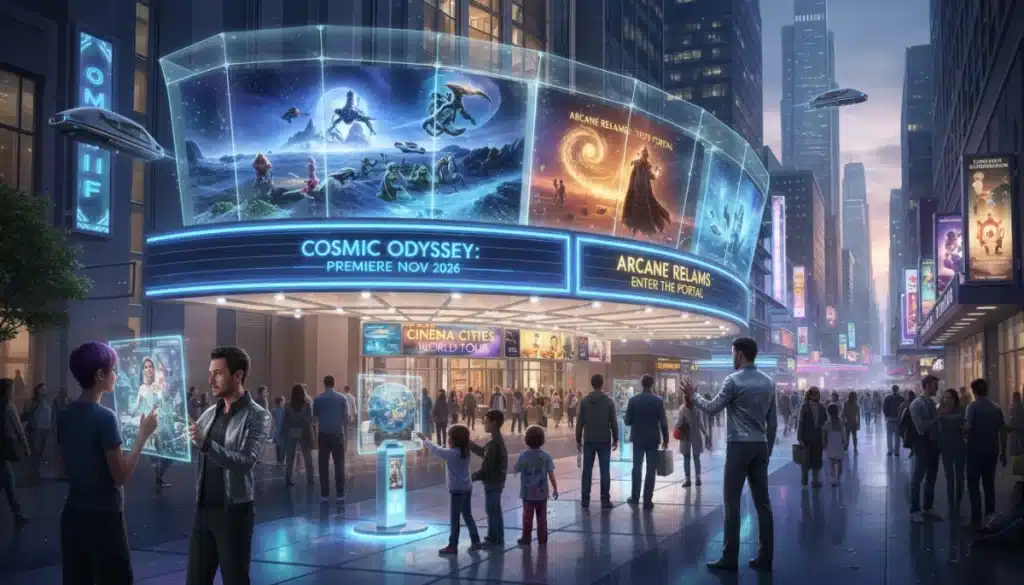
How do you capture an audience’s attention when the traditional cinematic playbook no longer works? Navigating Movie Marketing 2026 requires a total shift in strategy, as standard trailers give way to immersive, fan-driven digital experiences.
The latest data from US entertainment blockbusters reveals a massive transformation in how audiences discover new releases. Studios are now ditching passive advertising for interactive campaigns that turn viewers into active community participants.
To stay ahead in this hyper-competitive landscape, entertainment executives must master these new distribution dynamics. Here are the six essential digital trends reshaping film promotion and redefining viewer engagement this year.
The Evolution of Movie Marketing in 2026: A New Era of Engagement
The film industry stands on the precipice of a transformative period, where traditional marketing tactics are rapidly giving way to cutting-edge digital strategies.
By 2026, audience engagement will be driven by personalized, interactive, and data-rich campaigns that leverage advanced technology.
This shift is not merely an upgrade but a fundamental rethinking of how films connect with their viewers, moving beyond passive advertising to active participation.
Understanding these emergent trends is crucial for studios and marketers aiming to capture attention in an increasingly crowded entertainment landscape.
The focus has moved towards creating a holistic experience around a film, even before its release, building anticipation and loyalty through innovative digital channels.
This proactive approach ensures a stronger connection with potential audiences, maximizing box office potential.
AI-Driven Personalization: Tailoring the Cinematic Experience
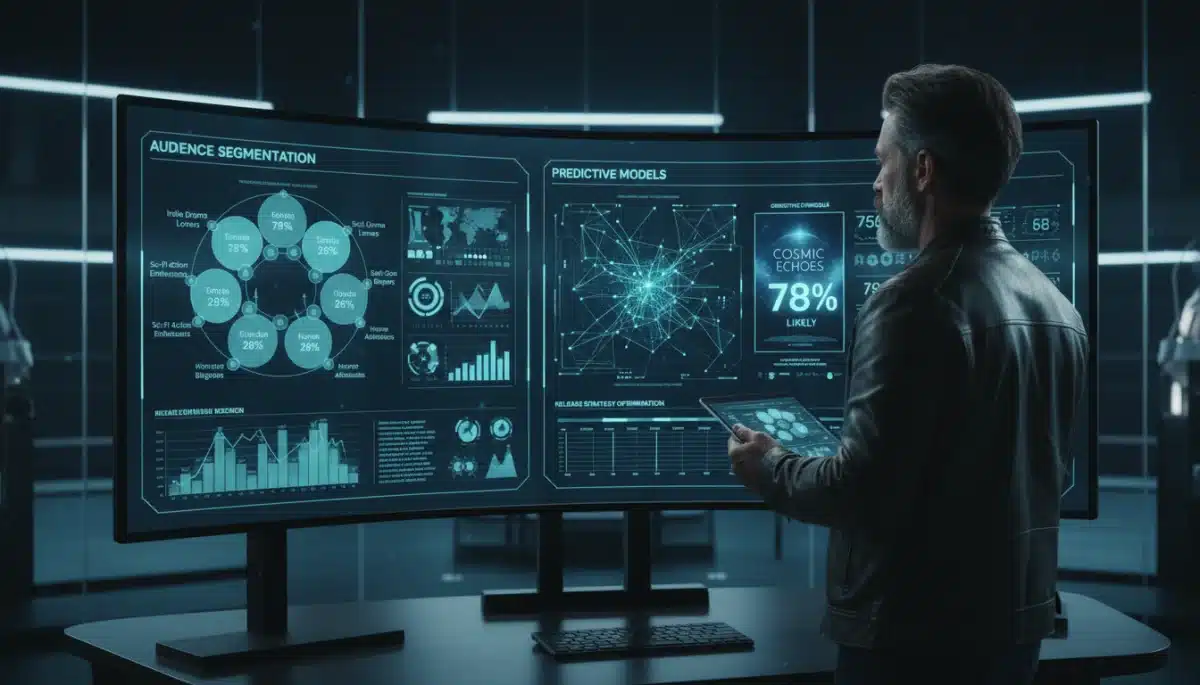
Artificial Intelligence (AI) is set to revolutionize movie marketing by enabling unprecedented levels of personalization, moving beyond demographic targeting to individual viewer preferences.
AI algorithms analyze vast datasets, including viewing history, social media activity, and online behaviors, to craft highly relevant promotional content.
This allows studios to present trailers, clips, and behind-the-scenes content that resonate deeply with specific audience segments, increasing engagement and conversion rates. The days of one-size-fits-all campaigns are quickly fading, replaced by bespoke digital interactions.
By 2026, AI will not only predict which films an individual might enjoy but also determine the optimal channels and times to deliver promotional messages for maximum impact.
This precision marketing will be a cornerstone of effective Movie Marketing 2026 Digital Trends.
Predictive Analytics for Audience Targeting
Predictive analytics, powered by AI, enables marketers to foresee audience reactions and tailor campaigns accordingly. This means identifying potential fans long before a film’s release and nurturing their interest with personalized content.
The insights derived from these analytics inform everything from trailer cuts to social media ad placements, ensuring resources are allocated efficiently. Studios can now understand not just who their audience is, but also what truly motivates their viewing choices.
Dynamic Content Optimization
AI also facilitates dynamic content optimization, where marketing materials can be modified in real-time based on audience feedback and performance data.
This adaptive approach ensures campaigns remain fresh and compelling throughout the promotional cycle.
For instance, an AI might detect that a particular scene in a trailer performs better with a certain demographic and automatically prioritize showing that version. This continuous refinement is key to maintaining high engagement in a fast-paced digital environment.
Immersive Experiences: Virtual and Augmented Reality
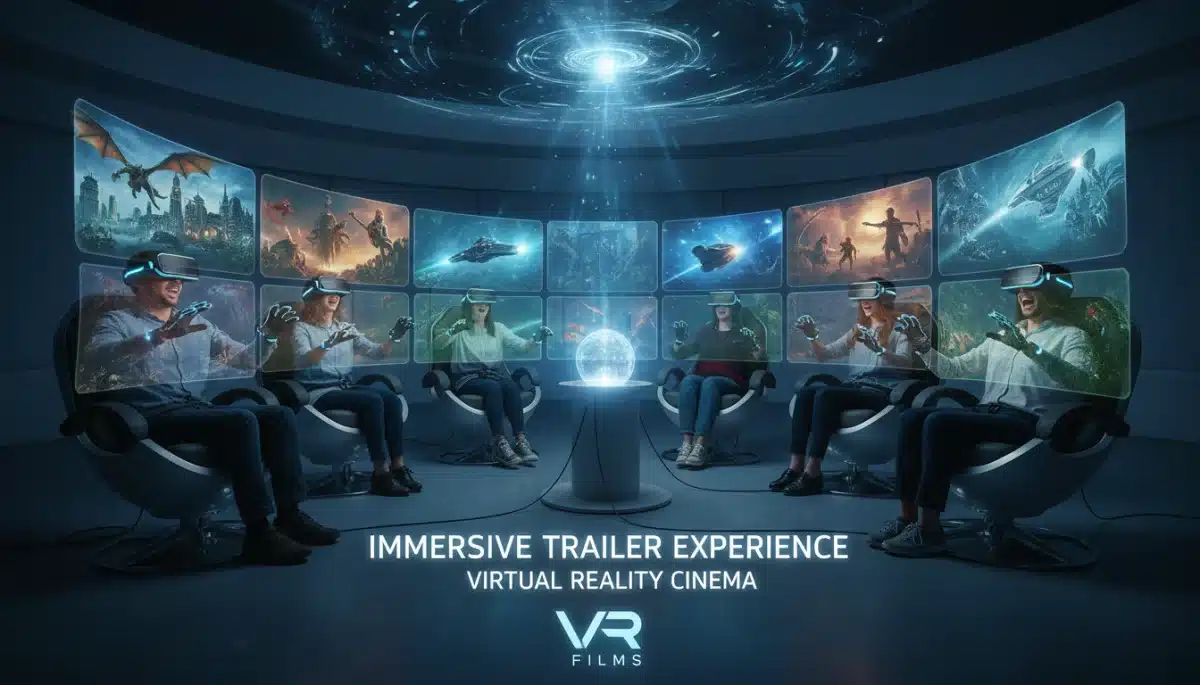
Virtual Reality (VR) and Augmented Reality (AR) are no longer niche technologies; they are becoming powerful tools for creating immersive movie marketing experiences.
By 2026, these technologies will transport audiences directly into the worlds of upcoming films, fostering deeper emotional connections.
Imagine a VR experience that allows users to walk through a film’s set, interact with characters, or even participate in a key scene, all before the movie hits theaters. This level of immersion generates unparalleled excitement and word-of-mouth buzz.
AR, on the other hand, can integrate film elements into the real world through mobile devices, offering interactive filters, games, and location-based promotions.
These experiences transform passive viewing into active participation, a critical component of Movie Marketing 2026 Digital Trends.
Interactive Storytelling and Gamification
The line between film and game continues to blur, and movie marketing is leveraging this convergence through interactive storytelling and gamification.
By 2026, campaigns will offer audiences opportunities to engage with narratives in a more participatory way, enhancing their connection to the film’s universe.
This could involve choose-your-own-adventure style mini-games, interactive websites that reveal plot details based on user choices, or even AR experiences that unlock exclusive content. These methods transform promotion into entertainment in its own right.
Gamified elements, such as puzzles, challenges, and rewards, encourage repeated engagement and build a sense of community around a film. This active participation fosters a deeper investment in the story and characters, a key aspect of modern Movie Marketing 2026 Digital Trends.
Transmedia Narratives and ARG
Transmedia storytelling extends a film’s narrative across multiple platforms, creating a broader, more intricate universe for audiences to explore. Alternate Reality Games (ARGs) take this a step further, blending digital and real-world interactions to tell a story.
ARGs can involve cryptic clues, fictional websites, and real-world events that tie into a film’s plot, building immense anticipation and fan speculation. This form of marketing creates a dedicated, highly engaged fanbase eager for the film’s release.
Influencer Marketing & Micro-Community Engagement
Influencer marketing continues to evolve, shifting from megastars to micro-influencers and specialized online communities. By 2026, studios will increasingly partner with individuals who command authentic, engaged followings within specific niches relevant to their films.
These micro-communities often offer higher engagement rates and more genuine endorsements, as followers trust the recommendations of their chosen influencers.
This targeted approach allows films to reach passionate audiences who are genuinely interested in the genre or themes.
Building relationships with these influencers and fostering organic conversations within online communities will be paramount for effective Movie Marketing 2026 Digital Trends. Authenticity and genuine connection will outweigh sheer reach.
Leveraging Niche Platforms
Beyond traditional social media, niche platforms and forums dedicated to specific film genres or fandoms will become crucial. Engaging these communities directly through tailored content and exclusive previews can generate significant buzz.
This strategy taps into existing fan bases, transforming them into powerful advocates for the film. The goal is to integrate the film into the cultural fabric of these communities, making it a must-see event.
Data-Driven Content Creation and Optimization
The ability to collect and analyze vast amounts of data is fundamentally changing how movie marketing content is created and optimized. By 2026, data will inform not just where content is distributed, but also its very nature, from trailer pacing to promotional imagery.
A/B testing, audience feedback analysis, and predictive models will guide creative decisions, ensuring that marketing materials are as effective as possible. This scientific approach to creativity minimizes risk and maximizes impact.
Studios will utilize data to understand which narrative beats, visual styles, or actor pairings resonate most strongly with target audiences. This iterative process of creation and refinement is central to Movie Marketing 2026 Digital Trends.
Short-Form Video and Vertical Content Domination
The rise of platforms like TikTok and Instagram Reels has cemented short-form video as a dominant force in digital consumption. By 2026, movie marketing will heavily lean into vertical video content, optimized for mobile viewing and rapid engagement.
Trailers, behind-the-scenes clips, and promotional interviews will be specifically designed for these formats, embracing their fast-paced, attention-grabbing nature. This ensures films remain relevant and discoverable among younger, mobile-first audiences.
Creative use of trends, challenges, and user-generated content within these platforms will be key to viral success. Mastering short-form video is an essential component of modern Movie Marketing 2026 Digital Trends, driving organic reach and buzz.
The Metaverse and Web3 Integration
While still in nascent stages, the Metaverse and Web3 technologies are poised to become significant frontiers for movie marketing by 2026. This includes leveraging NFTs for exclusive content and fan engagement, and creating persistent virtual spaces for film promotion.
Imagine owning a unique digital collectible tied to your favorite film, or attending a virtual premiere event within a metaverse platform. These innovations offer new revenue streams and deeper fan loyalty.
The decentralized nature of Web3 also opens doors for new models of content distribution and audience ownership, further empowering fans. Integrating these technologies will distinguish forward-thinking studios in the competitive landscape of Movie Marketing 2026 Digital Trends.
| Key Trend | Impact on Marketing |
|---|---|
| AI Personalization | Tailors content to individual preferences, enhancing relevance. |
| Immersive Experiences | VR/AR transport audiences into film worlds, boosting engagement. |
| Interactive Storytelling | Gamified campaigns foster active participation and deeper connection. |
| Short-Form Video | Dominates mobile engagement with concise, viral content. |
Frequently Asked Questions About Movie Marketing in 2026
AI will primarily impact movie marketing by enabling hyper-personalization of content delivery and audience targeting. It analyzes vast data to predict viewer preferences, ensuring trailers and promotions reach the most receptive individuals through optimal channels, moving beyond broad demographics to individual tastes and behaviors.
VR and AR will create immersive promotional experiences, allowing audiences to virtually enter film worlds or interact with movie elements in their real environment. This technology deepens emotional connections to films, generates significant buzz, and transforms passive viewership into active, memorable engagement, enhancing the overall marketing impact.
Short-form video is crucial due to its dominance on mobile platforms and its ability to capture attention quickly. Content optimized for platforms like TikTok and Instagram Reels ensures films reach younger, mobile-first audiences effectively. These formats drive viral engagement and organic discovery, making them indispensable for modern movie marketing strategies.
Influencer marketing will shift towards micro-influencers and niche communities, prioritizing authentic engagement over celebrity reach. Studios will partner with individuals who have dedicated, passionate followings relevant to specific film genres. This approach fosters genuine connections and more credible endorsements, leading to higher conversion rates and targeted audience reach.
Data-driven content creation leverages analytics to inform creative decisions, optimizing marketing materials for maximum impact. By analyzing audience feedback and predictive models, studios can refine trailers, imagery, and narrative beats, minimizing risk and ensuring promotional content resonates strongly with target demographics, a key aspect of Movie Marketing 2026 Digital Trends.
What This Means for the Future of Film Promotion
The evolving landscape of Movie Marketing 2026 Digital Trends indicates a future where technology and creativity converge to forge deeper, more personalized connections with audiences. Studios must embrace these shifts to remain competitive and relevant.
Monitoring the adoption rates of AI, VR/AR, and Web3 technologies will be crucial, as will understanding the ever-changing dynamics of social media and niche online communities. The emphasis is firmly on experiential and interactive engagement.
As these trends solidify, the film industry will witness a new era of promotional strategies that are not just about advertising a film, but about inviting audiences to become an integral part of its journey long before its release. This proactive engagement will define success.