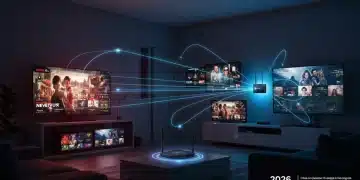
Future-Proof Your Streaming Setup: Essential Hardware & Software Updates
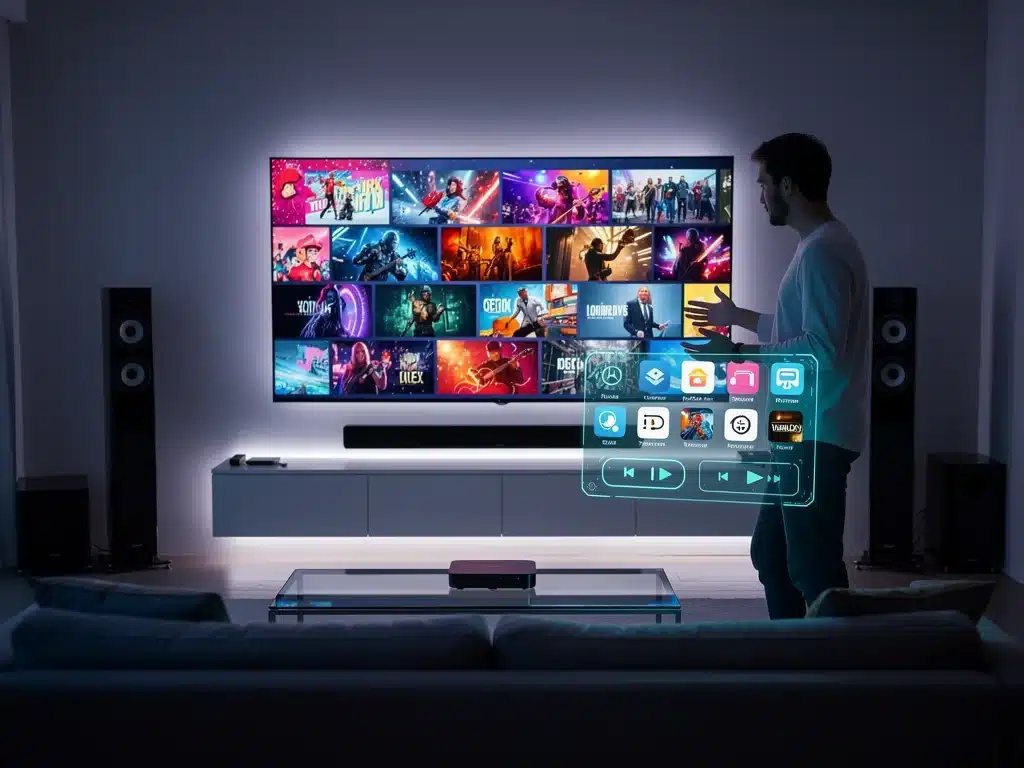
Outdated media players and legacy network protocols often lead to frustrating buffering issues, sudden app crashes, and degraded video quality. Learning how to Future-Proof Your Streaming Setup ensures your home entertainment ecosystem seamlessly supports next-generation high-definition AV1 codecs and smart TV integrations.
Upgrading to Wi-Fi 6E routers, high-speed HDMI 2.1 cables, and dedicated streaming media boxes prevents system bottlenecks across all your connected devices.
Keeping operating system firmware updated and optimizing device cache memory further eliminates latency while maximizing bandwidth efficiency for high-bitrate playback.
Modernizing your home theater configuration guarantees smooth 4K HDR playback and complete platform compatibility for years to come. Here are the essential hardware upgrades and software optimizations needed to maintain peak streaming performance.
Understanding the Evolving Streaming Landscape
The streaming landscape continues its relentless evolution, driven by consumer demand for higher quality and more immersive experiences. From 4K to 8K content, and from standard dynamic range to High Dynamic Range (HDR), the technical demands on our setups are constantly increasing.
New compression codecs like AV1 are emerging, offering better efficiency but requiring more powerful decoding capabilities. Virtual reality and augmented reality applications are also beginning to integrate with streaming, pushing the boundaries of traditional viewing.
To truly future-proof your streaming setup, one must look beyond today’s standards and anticipate tomorrow’s requirements. This involves a strategic assessment of both current capabilities and impending technological shifts, ensuring long-term relevance.
The Rise of 8K and Beyond
8K streaming, once a distant dream, is slowly becoming a reality, albeit with significant bandwidth and processing demands. Major broadcasters and content creators are already experimenting with ultra-high-resolution formats, signaling a future where 4K is merely the baseline.
This shift necessitates display upgrades capable of rendering such detail, alongside robust network infrastructure to handle the increased data throughput. Graphics processing units (GPUs) and dedicated media decoders will play a crucial role in managing these advanced resolutions.
Furthermore, the entire signal chain, from source to screen, must support 8K to avoid bottlenecks. This includes HDMI 2.1 cables and ports, which are essential for transmitting uncompressed 8K video at high frame rates, a key component to future-proof your streaming setup.
Next-Generation Codecs and Standards
Codecs such as AV1 (AOMedia Video 1) are designed to deliver superior compression efficiency compared to older standards like H.264 or even HEVC (H.265). This means higher quality video can be streamed using less bandwidth, a significant advantage for both providers and consumers.
However, decoding AV1 content often requires dedicated hardware acceleration, which older devices may lack. Upgrading your streaming device or PC with a modern CPU or GPU that supports AV1 hardware decoding is therefore a critical step for future compatibility.
Beyond video codecs, audio standards are also evolving, with immersive formats like Dolby Atmos and DTS:X becoming more common. Ensuring your audio receiver and speaker setup can handle these formats is vital for a complete future-proof streaming setup.
Essential Hardware Upgrades for 2026 and Beyond
Upgrading your hardware is often the most significant investment when aiming to future-proof your streaming setup. These changes impact performance, resolution capabilities, and overall system responsiveness, forming the bedrock of a robust entertainment system.
Key areas include display technology, processing power, and network infrastructure. Each component plays a vital role in delivering a seamless, high-quality streaming experience, making informed choices essential for long-term satisfaction and compatibility.
Considering the rapid pace of technological advancement, selecting hardware with a longer lifespan and upgrade potential is a smart strategy. This minimizes the need for frequent overhauls, allowing you to enjoy your content without constant worry about obsolescence.
Display Technology: Screens and Projectors
For a future-proof streaming setup, your display is arguably the most critical component. Investing in a display that supports 8K resolution, high refresh rates (120Hz or more), and advanced HDR formats like Dolby Vision or HDR10+ is imperative.
OLED and Mini-LED technologies currently offer the best contrast, black levels, and color accuracy, providing a truly immersive visual experience. These technologies are expected to remain dominant for several years, making them a safe bet for future compatibility.
When choosing a new display, pay close attention to HDMI 2.1 port availability, as this is crucial for supporting higher resolutions and refresh rates from next-generation streaming devices and gaming consoles, ensuring your future-proof streaming setup can handle anything.
Processing Power: CPUs and GPUs
Modern streaming demands significant processing power, especially for decoding high-resolution, high-bitrate content and new codecs like AV1. Your CPU and GPU work in tandem to render video smoothly and efficiently.
For PC-based streaming setups, a CPU with multiple cores and strong single-thread performance, coupled with a dedicated GPU that supports hardware decoding for the latest codecs, is essential. Integrated graphics solutions in newer processors are also becoming increasingly capable.
Dedicated streaming devices, like Apple TV 4K, Nvidia Shield TV Pro, or Roku Ultra, often feature custom-designed System-on-Chips (SoCs) optimized for media playback. Choosing models with the latest generation processors ensures they can handle future streaming demands, contributing to a future-proof streaming setup.
Network Infrastructure: Routers and Wi-Fi
A high-speed, stable internet connection is the backbone of any future-proof streaming setup. However, the internal network within your home is equally important. Upgrading to a Wi-Fi 6 or Wi-Fi 6E router provides significantly faster speeds and better performance in congested environments.
For critical streaming devices, a wired Ethernet connection remains the most reliable option, minimizing latency and packet loss. Ensure your router has Gigabit Ethernet ports, and consider running Ethernet cables to your primary streaming locations.
Mesh Wi-Fi systems are an excellent solution for larger homes or areas with poor signal coverage, ensuring consistent bandwidth across all your devices. A robust and reliable network is non-negotiable for a truly future-proof streaming setup.
Crucial Software Updates and Optimizations
Hardware provides the foundation, but software brings your streaming setup to life. Regular software updates are paramount for security, performance, and accessing new features. Neglecting this aspect can quickly degrade your streaming experience.
Operating systems, streaming applications, and even device firmware require consistent attention. These updates often include critical bug fixes, performance enhancements, and compatibility improvements that directly impact your ability to stream seamlessly.
Optimizing software settings, from video playback preferences to network configurations, can further enhance your setup’s efficiency. A well-maintained software environment is just as crucial as powerful hardware for a future-proof streaming setup.
Operating System and Application Updates
Keeping your operating system (Windows, macOS, Android TV, tvOS, etc.) up to date is fundamental. These updates often contain critical security patches, performance optimizations, and driver updates that improve hardware compatibility.
Streaming applications like Netflix, Disney+, Max, and YouTube are constantly evolving. Regular updates introduce new features, improve UI, and ensure compatibility with the latest content formats and DRM protections. Enable automatic updates whenever possible.
For PC-based streamers, graphics card drivers are particularly important. Manufacturers frequently release new drivers that optimize performance for video playback and introduce support for emerging codecs and technologies, crucial for a future-proof streaming setup.
Firmware and Codec Support
Many streaming devices, Smart TVs, and audio/video receivers receive firmware updates. These updates can fix bugs, improve performance, add support for new streaming services, or even introduce compatibility with new audio/video formats.
Check your device manufacturer’s website regularly for the latest firmware versions. While some devices update automatically, others require manual intervention. Ensuring your devices run the latest firmware is a simple yet effective way to maintain compatibility.
Codec packs and media players on PCs also need to be kept current to handle the diverse range of video and audio formats. Regularly updating these components ensures your system can decode virtually any content you encounter, making your future-proof streaming setup truly versatile.
Audio Enhancements for Immersive Experiences
While visual fidelity often takes center stage, audio quality is equally important for an immersive streaming experience. As streaming services increasingly offer advanced audio formats, upgrading your sound system becomes a vital part of future-proof your streaming setup.
From multi-channel surround sound to object-based audio, the evolution of audio technology mirrors that of video. Investing in capable audio hardware and ensuring proper configuration can dramatically elevate your enjoyment of movies, shows, and music.
This section explores key audio upgrades and considerations to ensure your sound system is on par with your visual setup, providing a truly holistic and future-ready entertainment environment.
Multi-Channel and Object-Based Audio
Modern streaming content frequently features multi-channel audio (5.1, 7.1) and object-based formats like Dolby Atmos and DTS:X. These technologies create a more spatial and immersive soundscape, placing sounds precisely around and above the listener.
To experience these formats, you’ll need an AV receiver or soundbar that supports them, along with a compatible speaker setup. For Dolby Atmos, this often means adding upward-firing or in-ceiling speakers to create the height effects.
Ensuring your streaming device can pass through these audio formats to your receiver without downmixing is also crucial. Check your device’s audio settings and ensure ‘passthrough’ or ‘bitstream’ options are enabled for the best experience, solidifying your future-proof streaming setup.
High-Resolution Audio and DACs
Beyond cinematic experiences, many streaming services now offer high-resolution audio for music, providing a level of detail and fidelity far beyond standard MP3s or CDs. Services like Tidal, Qobuz, and Apple Music Lossless cater to audiophiles.
To fully appreciate high-res audio, a high-quality Digital-to-Analog Converter (DAC) is often beneficial, especially if your streaming device’s built-in DAC is subpar. External DACs can significantly improve sound clarity and dynamic range.
Additionally, ensuring your speakers or headphones are capable of reproducing the full frequency range and subtle nuances of high-resolution audio is important. This completes the audio chain, making your future-proof streaming setup a haven for exceptional sound.
Smart Home Integration and Voice Control
The convergence of streaming and smart home technology is a growing trend, offering enhanced convenience and control. Integrating your streaming setup with voice assistants and smart home ecosystems can streamline your entertainment experience.
From turning on your TV with a voice command to adjusting lighting based on content, smart home integration adds a layer of sophistication. This goes beyond mere novelty, offering practical benefits for everyday use and contributing to a truly future-proof streaming setup.
Understanding how to effectively link your streaming devices with smart hubs and voice assistants is key. This section explores the benefits and practical steps for incorporating smart home features into your entertainment command center.
Voice Assistants and Universal Control
Voice assistants like Amazon Alexa, Google Assistant, and Apple’s Siri are becoming increasingly central to controlling home entertainment. Many modern Smart TVs and streaming devices have built-in voice control, or can be linked to external smart speakers.
This allows for hands-free control over playback, volume, content search, and even switching inputs. A universal remote that integrates with your smart home system can also consolidate control over multiple devices, simplifying your setup.
For a future-proof streaming setup, consider devices that support open standards for smart home integration, ensuring broader compatibility with various ecosystems. This flexibility allows you to adapt as smart home technology continues to evolve and expand.
Automating Your Entertainment Space
Beyond simple voice commands, smart home technology enables advanced automation for your streaming environment. Imagine your lights dimming automatically when you start a movie, or your thermostat adjusting to a comfortable viewing temperature.
Platforms like IFTTT (If This Then That) or more advanced home automation hubs can link your streaming activity to other smart devices in your home. This creates a truly integrated and personalized entertainment space, enhancing the overall experience.
As smart home technology progresses, expect even more seamless integration and intelligent automation. Building a foundation that supports these connections now will ensure your future-proof streaming setup remains at the forefront of convenience and innovation.
The Role of Cloud Services and Edge Computing
The future of streaming isn’t just about local hardware; it’s increasingly about leveraging the power of cloud services and edge computing. These technologies promise to offload processing, reduce latency, and deliver content more efficiently, fundamentally altering how we consume media.
Cloud gaming, cloud-based media libraries, and AI-driven content recommendations are already commonplace. As these services mature, their integration into our streaming setups will become even more profound, necessitating an understanding of their impact.
To truly future-proof your streaming setup, one must consider how these distributed computing models will interact with and augment local hardware. This strategic perspective ensures your system remains agile and responsive to evolving service delivery methods.
Cloud Gaming and Media Libraries
Cloud gaming services like Xbox Cloud Gaming, GeForce Now, and PlayStation Plus Premium allow users to stream high-end games without powerful local hardware. This model is expanding to general media, with cloud-based personal media libraries becoming more accessible.
These services shift the processing burden from your local device to remote servers, meaning your local hardware can be less powerful while still accessing cutting-edge content. A robust internet connection, however, becomes even more critical.
Integrating these cloud platforms seamlessly into your streaming interface is key. Future-proof your streaming setup by ensuring your devices support the necessary applications and codecs to fully utilize these cloud-based entertainment options, ensuring broad access to content.
AI-Driven Content Delivery and Personalization
Artificial intelligence is playing an increasingly significant role in content delivery, from optimizing video quality in real-time to providing highly personalized recommendations. AI algorithms analyze your viewing habits to suggest content you’re more likely to enjoy.
Edge computing, which processes data closer to the user, can enhance this by providing faster, more responsive AI-driven features directly on your streaming device. This reduces reliance on constant cloud communication for certain tasks.
As AI becomes more sophisticated, expect streaming platforms to offer dynamic content adjustments based on your network conditions, device capabilities, and even emotional responses. Choosing devices and platforms that embrace these AI capabilities will help future-proof your streaming setup.
Maintaining 95% Compatibility: A Realistic Goal
Achieving 100% future-proofing in technology is an almost impossible task due to the relentless pace of innovation. However, aiming for 95% compatibility is a realistic and achievable goal, ensuring your streaming setup remains highly functional and enjoyable for many years.
This involves making informed decisions about hardware purchases, committing to regular software maintenance, and understanding the core principles of technological longevity. It’s about strategic investment rather than constant replacement, optimizing your future-proof streaming setup.
By focusing on key areas that have a proven track record of stability and adopting open standards where possible, you can significantly extend the useful life of your entertainment system, maximizing your return on investment and minimizing future headaches.
Strategic Upgrades and Investment
Instead of replacing your entire setup every few years, focus on strategic, modular upgrades. For instance, a high-quality display can last a decade, while streaming devices might need upgrading every 3-5 years due to codec and processing advancements.
Invest in components that offer a degree of future-proofing, such as HDMI 2.1 compliant devices, Wi-Fi 6/6E routers, and processors with strong multi-core performance and hardware decoding capabilities. These choices provide a buffer against rapid obsolescence.
Prioritize upgrades that address current bottlenecks or unlock new experiences. For example, if your internet speed is excellent but your Wi-Fi is weak, a new router will yield more immediate benefits than a new TV, enhancing your future-proof streaming setup significantly.
The Importance of Open Standards
Adopting devices and software that support open standards and widely adopted protocols is crucial for long-term compatibility. Proprietary technologies can become obsolete quickly if their developers cease support or go out of business.
Examples include widely supported video codecs (HEVC, AV1), audio formats (Dolby Digital, DTS), and connectivity standards (HDMI, USB-C). Choosing products that adhere to these standards increases the likelihood of continued support and interoperability.
This approach also provides greater flexibility, allowing you to mix and match components from different manufacturers without compatibility issues. Open standards are a cornerstone of a truly future-proof streaming setup, ensuring broad ecosystem support.
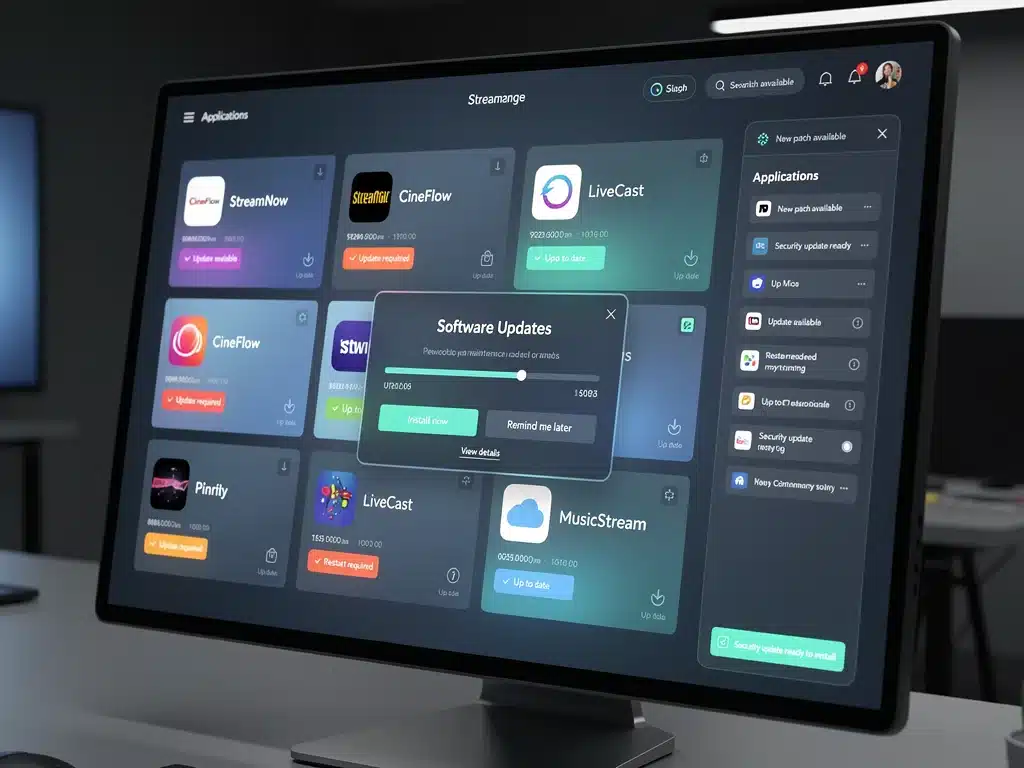
Practical Steps to Implement Updates
Implementing updates and upgrades for your streaming setup requires a systematic approach. It’s not just about buying new equipment; it’s about thoughtful planning, careful installation, and ongoing maintenance to ensure optimal performance and longevity.
Starting with an assessment of your current setup and identifying specific pain points or areas of weakness is the first critical step. This focused approach prevents unnecessary spending and ensures that each upgrade contributes meaningfully to your goal.
From physical hardware installation to configuring software settings, each step plays a role in creating a cohesive and high-performing system. This section provides actionable advice to guide you through the process of maintaining a future-proof streaming setup.
Assessing Your Current Setup
Before making any purchases, take stock of your existing hardware and software. Document your TV model, streaming devices, audio system, and network equipment. Check their specifications for supported resolutions, HDR formats, codecs, and connectivity.
Identify any current limitations: Is your internet speed sufficient? Does your TV support the latest HDR standards? Is your streaming device struggling with 4K content? This assessment will highlight the most impactful areas for improvement.
Consult user manuals or manufacturer websites for your devices to understand their capabilities and potential for firmware updates. A thorough audit prevents redundant purchases and focuses your efforts on essential upgrades for a future-proof streaming setup.
Installation and Configuration Best Practices
When installing new hardware, follow manufacturer instructions meticulously. For displays, proper calibration can significantly enhance picture quality. For audio systems, speaker placement and room correction are vital for optimal sound.
For network upgrades, ensure your router is placed optimally for coverage and that all devices are connected to the appropriate Wi-Fi band (2.4GHz for range, 5GHz for speed). For wired connections, use high-quality Ethernet cables.
Software configuration involves enabling the highest possible video and audio quality settings on your streaming devices and applications. Ensure HDR and immersive audio passthrough are activated where supported, completing the technical aspects of your future-proof streaming setup.
The Long-Term Value of Future-Proofing
Investing in a future-proof streaming setup is not merely about keeping up with the latest trends; it’s about maximizing the long-term value of your entertainment system. By making informed decisions today, you avoid the costly cycle of constant replacement and enjoy a consistent, high-quality experience for years.
This forward-thinking approach provides peace of mind, knowing that your setup can handle emerging technologies and content formats. It transforms your entertainment space into a resilient hub, ready for whatever the future of streaming brings.
The benefits extend beyond mere functionality, encompassing enhanced user experience, greater content accessibility, and ultimately, a more satisfying engagement with your digital media. A future-proof streaming setup is an investment in uninterrupted entertainment.
Cost-Effectiveness Over Time
While initial investments in higher-quality, future-ready components might seem greater, they often prove more cost-effective in the long run. These components typically have longer lifespans and require less frequent replacement compared to budget alternatives that quickly become obsolete.
Consider the cumulative cost of repeatedly upgrading cheaper devices versus a single, well-planned investment in durable, high-performance hardware. The latter usually results in less overall spending and less hassle over a five-to-ten-year period.
Furthermore, avoiding the frustration of incompatible formats or stuttering playback adds intangible value. A reliable, future-proof streaming setup ultimately provides a superior user experience, justifying the strategic financial outlay.
Enhanced User Experience and Content Access
A future-proof streaming setup ensures you can access and enjoy the highest quality content available, without limitations. This means crystal-clear 8K video, immersive Dolby Atmos audio, and smooth, lag-free playback, regardless of the source.
As content creators push technological boundaries, your updated system will be ready to deliver their vision as intended. This enhances your overall user experience, making every movie, show, or game more engaging and captivating.
Moreover, maintaining compatibility means you won’t be locked out of new streaming services or exclusive content that adopts advanced formats. Your investment guarantees continued access to the cutting edge of digital entertainment, truly making it a future-proof streaming setup.
| Key Point | Brief Description |
|---|---|
| Hardware Upgrades | Invest in 8K displays, HDMI 2.1, Wi-Fi 6E, and AV1-capable processors. |
| Software Maintenance | Regularly update OS, apps, and firmware for security and compatibility. |
| Audio Enhancements | Upgrade to Dolby Atmos/DTS:X systems for immersive sound. |
| Smart Integration | Incorporate voice control and home automation for seamless entertainment. |
Frequently Asked Questions About Future-Proofing Streaming
The display is often the most critical hardware upgrade. Investing in an 8K-capable screen with HDMI 2.1 ports and advanced HDR support (like Dolby Vision or HDR10+) ensures visual compatibility for years. Coupled with a robust network, this forms the foundation for a future-proof streaming setup.
Ideally, you should enable automatic updates for streaming applications and operating systems. For device firmware, check for updates at least quarterly or when major new features or security patches are announced. Regular updates are crucial to maintain a future-proof streaming setup’s functionality and security.
While 8K content is still emerging, investing in 8K-ready hardware now is a strategic move. It ensures your display and associated components can handle future ultra-high-resolution content as it becomes more widespread. This proactive step is key to a truly future-proof streaming setup, avoiding early obsolescence.
New codecs like AV1 offer significantly better compression efficiency, meaning higher quality video at lower bandwidths. Ensuring your streaming devices and PC hardware support AV1 hardware decoding is vital. This prevents your system from struggling with future content, making it a more robust future-proof streaming setup.
Yes, strategic upgrades are key. Focus on core components like your display and network first, then consider streaming devices and audio. Prioritize open standards and modular upgrades over full system replacements. Regular software maintenance is also a free way to extend longevity and maintain a future-proof streaming setup.
Looking Ahead: Sustaining Your Streaming Edge
The journey to Future-Proof Your Streaming Setup is an ongoing process, not a one-time event. Sustaining a cutting-edge entertainment system requires continuous vigilance regarding new technologies, evolving standards, and strategic upgrades.
As the digital landscape continues its rapid expansion, anticipating these shifts and integrating them into your current system will remain paramount. This proactive stance ensures your setup delivers unparalleled experiences, keeping you ahead in the dynamic world of streaming entertainment.