The Future of Streaming: 7 Emerging Technologies to Watch and How They’ll Change Your Viewing
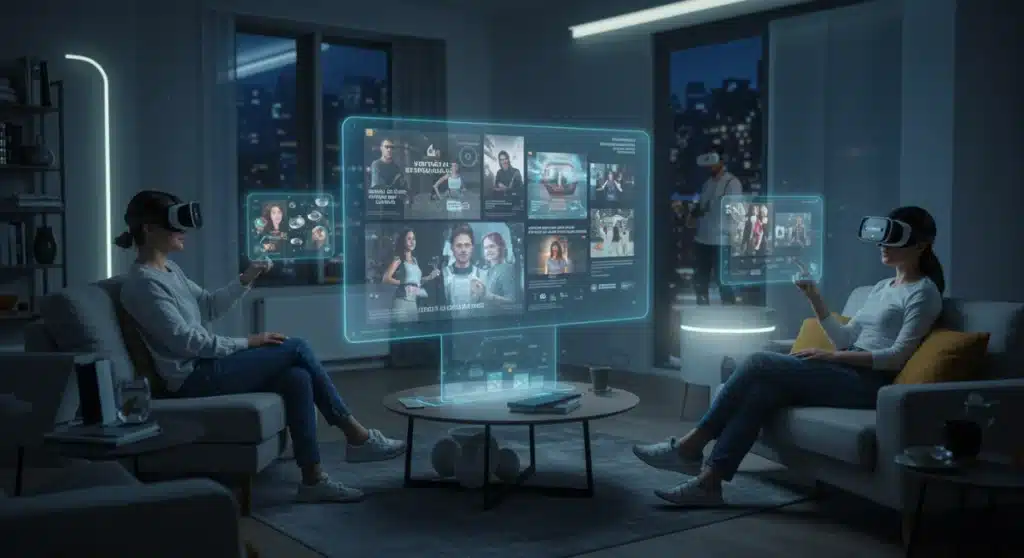
The entertainment landscape is undergoing a radical shift, moving far beyond the simple “play” button we know. By 2026, Future Streaming Technologies are set to dismantle traditional viewing habits, replacing passive consumption with hyper-personalized digital journeys.
This evolution is driven by groundbreaking advancements in spatial computing and artificial intelligence. These high-tech innovations are turning living rooms into immersive arenas, where viewers no longer just watch a story but exist within its three-dimensional environment.
As we dive into these seven pivotal trends, you will discover how next-generation delivery networks and smart algorithms are tailoring every frame to your taste. Prepare to see how these cutting-edge media tools will redefine your relationship with the screen forever.
The Rise of AI-Driven Personalization and Content Creation
Artificial Intelligence (AI) is already a cornerstone of streaming services, but its capabilities are set to expand dramatically by 2026.
AI will move beyond simple recommendation engines, becoming a central force in hyper-personalizing content and even generating new forms of entertainment.
This intelligent evolution promises a viewing experience that is not only tailored to individual preferences but also anticipates desires before they are explicitly expressed. The integration of AI will make every interaction with streaming platforms more intuitive and engaging.
From dynamic content adaptation to predictive analytics for viewer retention, AI’s role in shaping the Future Streaming Technologies cannot be overstated. It will be the invisible hand guiding our entertainment choices and experiences.
Hyper-Personalized Content Feeds
AI algorithms will refine content suggestions to an unprecedented degree, analyzing not just viewing history but also mood, context, and even biometric data. This means streaming platforms could offer content that aligns with your current emotional state or time of day.
The goal is to eliminate decision fatigue, presenting viewers with exactly what they want to watch, even if they don’t consciously know it yet.
This level of personalization will make streaming an even more seamless and satisfying experience, reinforcing the trend towards individual entertainment.
AI-Assisted Content Generation
Beyond recommendations, AI is poised to assist in the actual creation of content. This could range from generating background music and sound effects to crafting entire narrative branches in interactive stories. Imagine AI-driven scripts that adapt in real-time based on viewer choices.
This technology has the potential to democratize content creation, allowing smaller studios and independent creators to produce high-quality, complex narratives.
The boundaries between consumer and creator will blur, fundamentally altering the production pipeline for streaming services.
Immersive Virtual and Augmented Reality Experiences
Virtual Reality (VR) and Augmented Reality (AR) are no longer confined to gaming; they are rapidly converging with streaming to offer deeply immersive entertainment.
By 2026, these technologies will provide viewers with experiences that transcend traditional flat screens.
Imagine stepping into your favorite movie scene or attending a live concert from the comfort of your home, with a sense of presence that rivals physical attendance. VR and AR are set to redefine engagement, making passive viewing an artifact of the past.
The integration of VR/AR will be a defining feature of the Future Streaming Technologies 2026. It promises a level of immersion that will fundamentally change how stories are told and experienced.
Virtual Concerts and Events
VR platforms will host increasingly sophisticated live events, from music concerts to sports matches, offering unparalleled access and interactivity.
Viewers will be able to choose their vantage point, interact with other attendees, and even customize their virtual environment.
This technology democratizes access to premium events, breaking down geographical and financial barriers. The quality of these virtual experiences will improve dramatically, making them a viable and compelling alternative to physical attendance.
Interactive Storytelling in AR
AR will overlay digital content onto the real world, allowing narratives to unfold within your living space.
This could mean characters appearing in your room, or interactive elements popping up on your coffee table, enriching traditional storytelling with real-world context.
This form of storytelling offers a unique blend of reality and fiction, creating highly personalized and dynamic narratives. The interactive nature of AR streaming will empower viewers to influence the plot, making them active participants rather than mere spectators.
The Power of 5G and Edge Computing
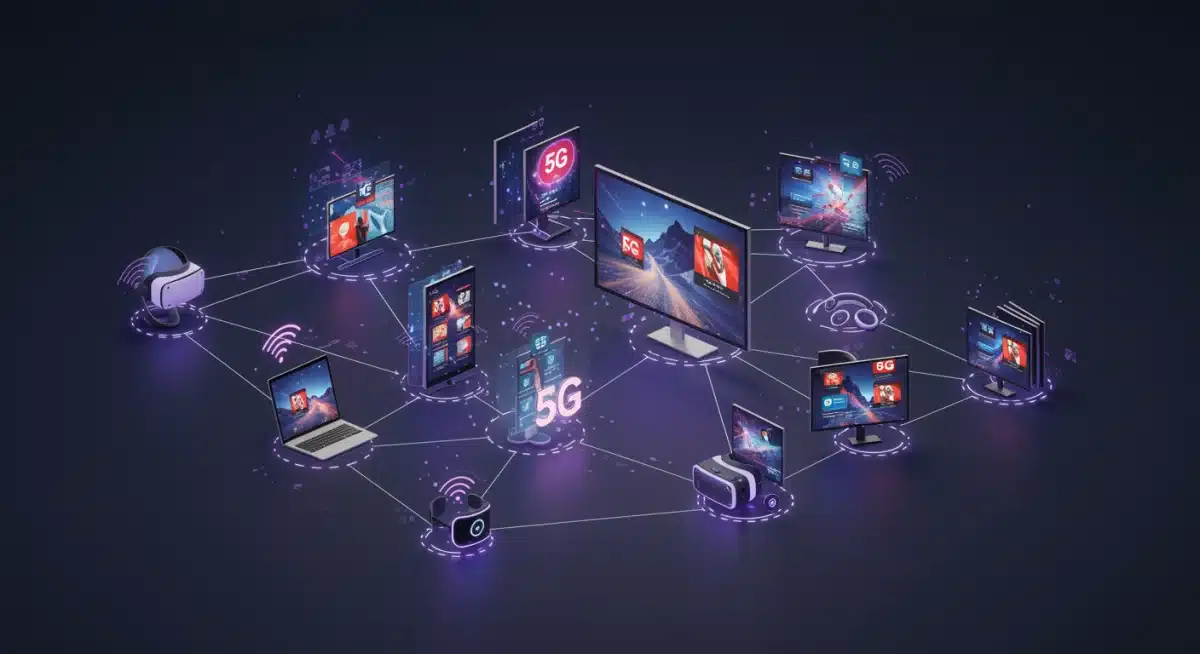
The widespread rollout of 5G networks, coupled with advancements in edge computing, will unlock unprecedented possibilities for streaming.
These technologies address the critical needs of speed, low latency, and efficient data processing, essential for high-quality immersive content.
5G’s massive bandwidth and minimal lag will enable seamless delivery of 8K video, VR content, and interactive experiences without buffering or quality degradation. Edge computing will process data closer to the user, significantly reducing latency and improving responsiveness.
Together, 5G and edge computing form the robust infrastructure supporting the Future Streaming Technologies 2026, making advanced viewing experiences a tangible reality for millions.
Ultra-Low Latency Streaming
5G’s promise of near-zero latency is critical for interactive and real-time streaming applications, such as cloud gaming and live VR events. This eliminates the frustrating delays that can break immersion in current online experiences.
For instance, cloud gaming services will run indistinguishably from local hardware, allowing complex games to be streamed to any device. This low latency also supports synchronous multi-user VR experiences, enabling shared virtual spaces without noticeable lag.
Distributed Content Delivery
Edge computing will decentralize content delivery, storing frequently accessed content closer to end-users. This reduces the strain on central servers and minimizes data travel time, ensuring faster load times and more reliable streams.
This distributed architecture is especially beneficial for regions with less robust internet infrastructure, as it brings content closer to consumers. It also enhances security and scalability, crucial for the massive data demands of future streaming technologies.
Blockchain for Content Rights and Monetization
Blockchain technology, often associated with cryptocurrencies, offers groundbreaking solutions for content creators and distributors in the streaming world.
By 2026, its role in managing digital rights, ensuring transparency, and enabling new monetization models will be significant.
This decentralized ledger system can track content usage, automate royalty payments, and prevent piracy more effectively than current methods. It empowers creators by giving them greater control over their intellectual property and direct access to their audience.
Blockchain’s inherent transparency and immutability will build trust within the streaming ecosystem, proving to be a transformative element for the Future Streaming Technologies.
Transparent Royalty Distribution
Smart contracts on the blockchain can automatically distribute royalties to creators based on verifiable viewership data. This eliminates intermediaries, reduces payment delays, and ensures fair compensation, fostering a more equitable creative economy.
Artists, musicians, and filmmakers can receive micro-payments in real-time as their content is consumed, providing immediate financial feedback. This system empowers creators to focus on their art rather than grappling with complex payment structures.
NFTs for Exclusive Content and Collectibles
Non-Fungible Tokens (NFTs) can represent ownership of exclusive content, digital collectibles, or even fractional ownership of media projects. This opens new avenues for fan engagement and monetization, allowing viewers to invest directly in the content they love.
Imagine owning a unique digital prop from your favorite series or a limited-edition scene. NFTs create scarcity and value in the digital realm, forging deeper connections between creators and their most dedicated fans, and adding a new dimension to streaming economics.
Haptic Feedback and Multi-Sensory Immersion
Beyond visual and auditory experiences, the Future Streaming Technologies will increasingly incorporate haptic feedback and other sensory elements. This means feeling the rumble of an explosion, the texture of a character’s clothing, or even subtle environmental sensations.
Haptic suits and advanced controllers will bridge the gap between the digital world and our physical senses, creating a truly multi-sensory immersion. This technology aims to make streaming content not just something we watch, but something we physically experience.
Tactile Engagement Devices
Wearable devices, such as haptic vests and gloves, will deliver precise tactile sensations synchronized with on-screen actions. This technology could simulate everything from a gentle touch to intense impacts, significantly enhancing the emotional and physical impact of content.
These devices are becoming more sophisticated and affordable, moving from niche gaming accessories to mainstream entertainment enhancers. The integration of haptics will add a new layer of realism and engagement to movies, TV shows, and interactive experiences.
Scent and Environmental Control
While still nascent, technologies that integrate scent dispensers and environmental controls (like temperature changes or subtle breezes) are being explored. Imagine a movie where you can smell the ocean breeze or feel the chill of a winter scene.
These elements, combined with haptic feedback, aim to create a fully immersive ‘fourth wall’ experience.
Although widespread adoption might be further off, these innovations point towards a future where streaming engages all five senses, making content profoundly more impactful.
Spatial Computing and Metaverse Integration
Spatial computing, the technology enabling digital content to interact with the physical world, is a critical component of the emerging metaverse.
By 2026, streaming will be increasingly integrated into these persistent, shared virtual spaces, offering unparalleled interactive opportunities.
Instead of watching content on a screen, you might experience it within a shared metaverse environment, interacting with other viewers and elements of the narrative. This represents a paradigm shift from passive consumption to active participation within a digital world.
The convergence of streaming with spatial computing and the metaverse will define a significant portion of the Future Streaming Technologies, creating new dimensions for entertainment and social interaction.
Shared Viewing Experiences in the Metaverse
Imagine gathering with friends in a virtual cinema within the metaverse to watch a new release, interacting with each other and the film in real-time. Spatial computing enables these shared experiences, making remote viewing feel more communal and engaging.
These platforms can also host interactive events, allowing viewers to participate in discussions, polls, or even character interactions within the content itself. The metaverse transforms streaming into a social and collective activity, breaking down geographical barriers.
Dynamic Content Overlays in Real-World Spaces
Spatial computing will allow streaming content to dynamically adapt and appear within your physical environment via AR devices. This could mean a sports game showing real-time stats floating above your coffee table, or a documentary bringing historical figures into your living room.
This blending of digital narratives with real-world context offers a highly personalized and contextualized viewing experience. Content will no longer be confined to a screen but will become an integral part of your immediate physical surroundings, enriching everyday life.
Advanced Codecs and Adaptive Bitrate Streaming
While less glamorous than VR or AI, advancements in video codecs and adaptive bitrate streaming (ABR) are fundamental to the quality and accessibility of future streaming.
By 2026, these technologies will ensure higher resolution, lower bandwidth consumption, and seamless viewing across diverse devices and network conditions.
Newer codecs like AV1 and VVC offer significantly better compression efficiency than previous standards, allowing for 4K and 8K content delivery with reduced data usage.
ABR technology intelligently adjusts video quality in real-time based on network speed, preventing buffering.
These continuous improvements in underlying infrastructure are crucial for delivering the immersive and high-fidelity experiences promised by other Future Streaming Technologies in 2026, making them accessible to a broader audience.
Next-Generation Video Codecs (AV1, VVC)
The widespread adoption of codecs like AV1 and the upcoming VVC (Versatile Video Coding) will enable streaming platforms to deliver superior video quality at lower bitrates. This means crisper images, more vibrant colors, and smoother motion, even on limited bandwidth.
These codecs are designed to be royalty-free or have more favorable licensing terms, encouraging broader industry adoption. Their efficiency is vital for the proliferation of 8K streaming and high-quality VR content, where data demands are immense.
Enhanced Adaptive Bitrate Algorithms
ABR algorithms will become more sophisticated, leveraging machine learning to predict network fluctuations and optimize streaming quality preemptively.
This proactive approach minimizes buffering and ensures a consistently smooth viewing experience, even in challenging network conditions.
These advanced algorithms will also consider device capabilities and user preferences, dynamically adjusting parameters beyond just resolution. This ensures that content is always delivered at the best possible quality for each unique viewer setup, maximizing satisfaction.
| Key Technology | Impact on Streaming |
|---|---|
| AI Personalization | Hyper-tailored content and dynamic recommendations. |
| VR/AR Immersion | Deeply immersive, interactive virtual and augmented experiences. |
| 5G & Edge Computing | Ultra-fast, low-latency, and distributed content delivery. |
| Blockchain & NFTs | Transparent rights management and new monetization models. |
Frequently Asked Questions About Future Streaming Technologies 2026
AI will move beyond basic suggestions to offer hyper-personalized content, analyzing your mood, context, and even subtle preferences. This means more precise recommendations that anticipate your desires, reducing browsing time and enhancing satisfaction with the Future Streaming Technologies 2026.
Yes, for full immersion, dedicated VR headsets or AR glasses will be necessary. However, platforms will likely offer scaled experiences for standard devices. These specialized gadgets will unlock truly interactive and spatial content, defining a key aspect of the Future Streaming Technologies 2026.
5G will enable ultra-high-definition streaming (like 8K), virtually eliminate buffering, and support real-time interactive content due to its high bandwidth and low latency. It is crucial for seamless VR experiences and cloud gaming, making it a cornerstone of the Future Streaming Technologies 2026 infrastructure.
Blockchain provides transparent royalty distribution via smart contracts, ensuring creators are fairly and promptly paid. It also enables new monetization through NFTs for exclusive content, offering creators more control over their work and direct engagement with fans, shaping the Future Streaming Technologies 2026 business models.
Spatial computing integrates digital content into your physical environment or a shared metaverse. Instead of watching on a flat screen, you might experience content as if it’s happening around you, allowing for shared viewing experiences and dynamic AR overlays, a major leap for Future Streaming Technologies 2026.
Looking Ahead: The Interconnected Streaming Ecosystem
The convergence of these seven emerging technologies paints a picture of a dramatically different streaming landscape by 2026. This isn’t just about incremental improvements; it’s about a fundamental shift in how we conceive of and interact with digital content.
The Future Streaming Technologies 2026 will foster an interconnected ecosystem where personalization, immersion, and interaction are paramount.
Viewers will move from passive consumption to active participation, influencing narratives and sharing experiences in unprecedented ways.
As these innovations mature, they will not only transform entertainment but also open new frontiers for education, social connection, and commerce within a dynamic, multi-sensory digital realm. Monitoring their development is key to understanding the next era of media.