Streaming Security in 2026: 3 Critical Steps to Protect Accounts
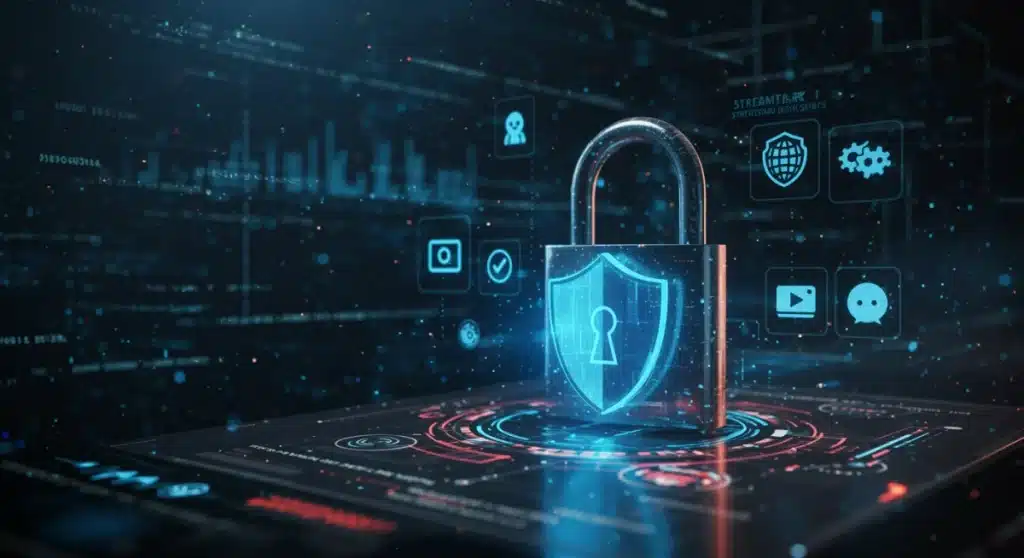
In 2026, Streaming Security is no longer just a luxury, it’s the frontline of your digital life. As hackers deploy AI-driven tactics to hijack subscriptions, staying informed is your best defense against evolving account takeovers.
The landscape of media consumption has shifted, bringing sophisticated credential-harvesting and fraudulent access attempts to your living room. Protecting your viewing habits and financial data requires more than a simple password in this hyper-connected era.
This guide reveals three essential strategies to fortify your entertainment hubs and lock out intruders. Explore these actionable insights to reclaim your privacy and ensure your favorite platforms remain exclusively yours.
The Evolving Threat Landscape in Streaming Security
The digital realm is constantly changing, and with it, the nature of cyber threats. In 2026, streaming platforms face an unprecedented array of attacks, from phishing scams to sophisticated malware designed to harvest user credentials and personal data.
Attackers are becoming more adept at exploiting vulnerabilities in both user behavior and platform infrastructure. This necessitates a proactive and informed approach to streaming security in 2026, moving beyond traditional password protection.
Reports from cybersecurity firms indicate a significant increase in credential stuffing attacks and account takeovers targeting streaming services. This trend underscores the urgency for users to adopt advanced security protocols to protect their digital entertainment.
Phishing and Social Engineering Tactics
Phishing remains a primary vector for compromising streaming accounts, with attackers sending deceptive emails or messages. These attempts often mimic legitimate service providers, tricking users into revealing login credentials or installing malicious software.
Social engineering tactics exploit human psychology, manipulating users into performing actions that compromise their security. Awareness and skepticism are crucial defenses against these pervasive and evolving threats to streaming security in 2026.
Users must be vigilant against unsolicited communications asking for personal or financial details. Always verify the sender and the legitimacy of links before clicking, especially when it pertains to account management or billing information.
Malware and Ransomware Targeting Streaming Devices
Malware, including ransomware, poses a growing threat to devices used for streaming. Infected applications or downloads can compromise an entire system, leading to data breaches or locked devices.
These malicious programs can reside on smart TVs, media players, and mobile devices, silently collecting data or holding your content hostage. Protecting all devices connected to your streaming ecosystem is a vital component of robust streaming security in 2026.
Regular software updates and reliable antivirus solutions are fundamental in preventing malware infections. Users should only download applications from official app stores and maintain a critical eye on permissions requested by new software.
Critical Step 1: Implement Multi-Factor Authentication (MFA)
Multi-Factor Authentication (MFA) is arguably the most effective single measure users can take to enhance their streaming security in 2026. It adds an essential layer of protection beyond just a password, significantly hindering unauthorized access.
Even if cybercriminals manage to obtain your password through a breach or phishing attempt, MFA ensures they cannot log in without a second verification factor. This could be a code sent to your phone, a fingerprint scan, or a hardware token.
Enabling MFA across all your streaming accounts, from Netflix to Disney+, should be a top priority. It dramatically reduces the risk of account takeovers and protects your personal viewing habits and billing information from malicious actors.
How MFA Protects Your Accounts
MFA works by requiring two or more pieces of evidence to verify your identity. This typically involves something you know (your password), something you have (your phone), and/or something you are (your biometric data).
This layered approach makes it exponentially harder for attackers to gain access, even if one factor is compromised. It acts as a robust barrier against the most common forms of credential theft, bolstering your streaming security in 2026 significantly.
Most major streaming services now offer MFA options, usually through an authenticator app or SMS codes. Taking a few minutes to set this up can save you countless hours of stress and potential financial loss in the long run.
When you attempt to log in from an unrecognized device or location, the service will prompt for this second factor. This immediate notification also serves as an early warning system, alerting you to potential unauthorized access attempts.
The ease of use for legitimate users, combined with the difficulty it poses for attackers, makes MFA an indispensable tool. It represents a fundamental shift in personal cybersecurity, moving towards more resilient protection for your digital life.
Critical Step 2: Utilize Unique, Strong Passwords and a Password Manager
The practice of reusing passwords across multiple services is a major vulnerability that cybercriminals actively exploit. For robust streaming security, every streaming account should have a unique, complex password.
A strong password combines uppercase and lowercase letters, numbers, and special characters, making it difficult to guess or crack. However, remembering dozens of such unique passwords can be challenging without the right tools.
This is where a reputable password manager becomes indispensable. These applications securely store all your login credentials, often generating strong, unique passwords for you and automatically filling them in when needed.
The Dangers of Password Reuse
When you reuse the same password for multiple online accounts, a breach on one service can compromise all the others. This is a common tactic known as credential stuffing, where stolen login pairs from one site are tried on many others.
A single compromised password can create a domino effect, giving attackers access to your email, banking, social media, and crucially, your streaming services. This highlights the critical need for unique passwords in maintaining streaming security in 2026.
Even minor streaming services can be gateways to larger data breaches if their security is lax and you’ve used a common password. Each account should be treated as a separate, protected entity.
Using a password manager alleviates the burden of memorizing complex strings of characters. It centralizes your security, requiring you to remember only one master password to unlock access to all your others.
Many password managers also offer features like password strength auditing and alerts for compromised passwords. This proactive monitoring helps you stay ahead of potential threats and update vulnerable credentials promptly.
Critical Step 3: Secure Your Home Network and Devices
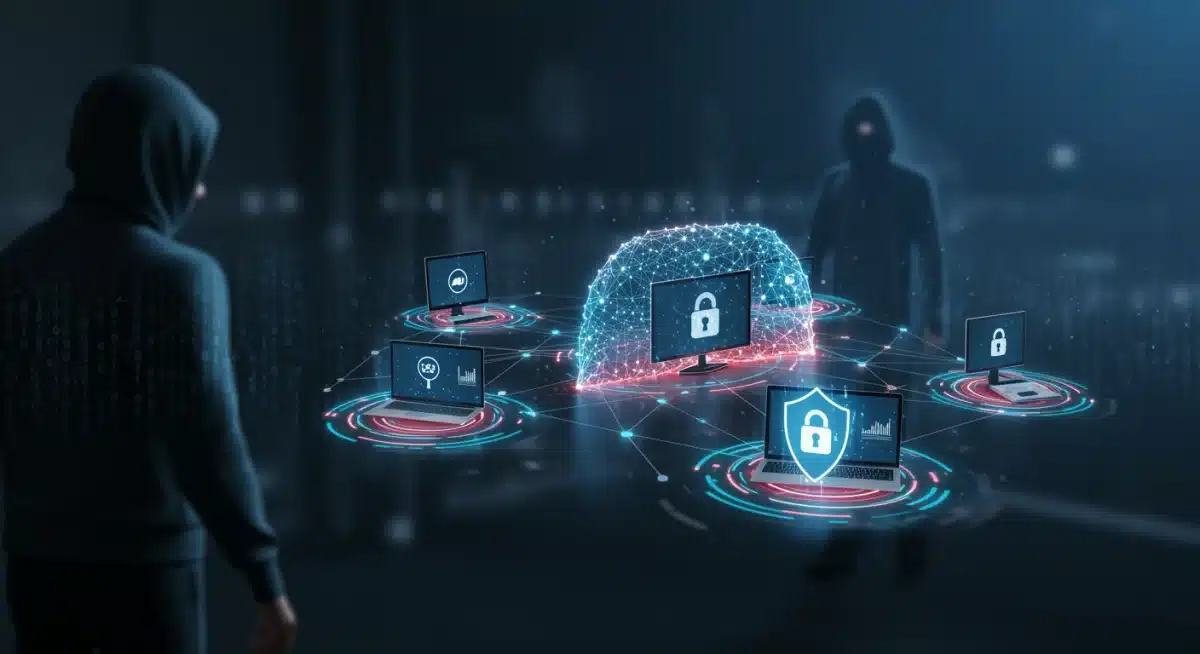
Your streaming experience is only as secure as the network and devices you use. An unsecured home Wi-Fi network acts as an open door for cybercriminals, potentially compromising all connected devices, including those used for streaming.
Ensuring your router has a strong, unique password and is regularly updated with the latest firmware is foundational for streaming security. Furthermore, segmenting your network with a guest Wi-Fi can add an extra layer of protection.
Beyond the network, every device that accesses streaming services, smart TVs, laptops, tablets, and smartphones, must be secured. This involves keeping operating systems and applications updated and using reliable antivirus software.
Router Security Best Practices
Your Wi-Fi router is the gateway to your home network, making its security paramount. Change the default administrative username and password immediately after setup to something strong and unique.
Regularly check for and install firmware updates from your router manufacturer. These updates often contain critical security patches that protect against newly discovered vulnerabilities, enhancing your overall streaming security.
Consider enabling WPA3 encryption if your router supports it, as it offers stronger protection than older WPA2 protocols. Disabling Universal Plug and Play (UPnP) can also reduce potential attack surfaces.
Creating a separate guest Wi-Fi network for visitors isolates their devices from your main network. This prevents potential malware from guest devices from affecting your primary streaming and personal devices.
Regularly reviewing the list of connected devices to your network can also help identify any unauthorized access. If you see unfamiliar devices, take immediate action to investigate and block them.
Device and Application Hygiene
Every device used for streaming should be treated as a potential vulnerability. Keep all operating systems, web browsers, and streaming applications updated to their latest versions to benefit from the newest security patches.
Install reputable antivirus and anti-malware software on your computers and mobile devices. These tools can detect and remove threats before they compromise your data or streaming accounts, crucial for maintaining streaming security.
Be cautious about side-loading applications from unofficial sources, as these often contain hidden malware. Stick to official app stores and verify app permissions before granting them access to your device’s resources.
Understanding Data Privacy and Sharing Policies
Beyond direct account protection, understanding how streaming services handle your data is vital for comprehensive streaming security in 2026. Many services collect extensive user data, from viewing habits to demographic information.
Reviewing the privacy policies of your preferred platforms can reveal what data is collected, how it’s used, and with whom it might be shared. This transparency empowers you to make informed decisions about your digital footprint.
Adjusting privacy settings on each service can limit the amount of data shared, even if it means foregoing some personalized features. Your data is valuable, and protecting it extends beyond just preventing unauthorized access.
Reading Between the Lines of Privacy Policies
Privacy policies can be lengthy and complex, but understanding the key sections is crucial. Look for details on data collection, storage, and retention practices, as well as how your data is anonymized or aggregated.
Pay particular attention to sections regarding third-party data sharing. Some streaming services may share your viewing data with advertisers or content partners, which could have privacy implications for your streaming security.
If a policy seems unclear or overly broad, consider reaching out to the service’s support for clarification. Your right to understand how your data is handled is fundamental in the digital age.
Adjusting Your Privacy Settings
Most streaming platforms offer various privacy controls within your account settings. These can include options to limit personalized advertising, disable viewing activity sharing, or control data retention periods.
Take the time to explore these settings and customize them to your comfort level. While some features may rely on data collection, you often have the power to opt-out of excessive sharing, enhancing your personal streaming security.
Regularly review these settings, as privacy policies and default options can change over time. Staying informed and proactive is key to managing your digital privacy effectively across all your streaming services.
The Role of Parental Controls and User Profiles
For households with multiple users, especially children, implementing parental controls and utilizing distinct user profiles are essential aspects of streaming security in 2026.
These features prevent unauthorized access to mature content and protect billing information.
Parental controls allow you to restrict content based on ratings, set viewing limits, and even prevent purchases. This not only safeguards younger viewers but also adds a layer of security by preventing accidental or unauthorized transactions.
Separate user profiles ensure that each viewer’s preferences are isolated, and more importantly, that sensitive account settings are not easily accessible. This compartmentalization contributes significantly to overall account integrity.
Configuring Effective Parental Controls
Most major streaming services offer robust parental control features within their settings. These typically allow you to set PINs for profiles, restrict content by age rating, and even block specific titles.
It’s crucial to set a strong, unique PIN that children cannot easily guess. Regularly review these settings to ensure they align with your family’s viewing guidelines and to adapt to any changes in content offerings, vital for maintaining streaming security.
Educate younger users about the importance of not sharing account information and recognizing suspicious links. A combination of technical controls and user education provides the strongest defense.
Benefits of Separate User Profiles
Creating distinct user profiles for each family member not only customizes their viewing experience but also enhances security. It prevents accidental changes to the main account settings or unintended purchases.
Each profile can have its own content restrictions and viewing history, maintaining privacy within the household. This separation means that a child’s profile cannot inadvertently access or alter sensitive billing details linked to the primary account, a key element for streaming security in 2026.
Ensure that the primary account holder’s profile is password-protected and ideally, secured with MFA. This prevents other household members from gaining administrative access to the subscription.
Staying Informed and Proactive Against Emerging Threats
The cybersecurity landscape is dynamic, with new threats and vulnerabilities emerging constantly. Maintaining strong streaming security in 2026 requires a commitment to staying informed and proactive in your defense strategies.
Regularly follow reputable cybersecurity news sources and official advisories from streaming services. Awareness of the latest scams and attack methods can help you recognize and avoid them before they compromise your accounts.
Proactive security means not waiting for a breach to happen. It involves routinely checking your account activity, reviewing security settings, and updating your knowledge on best practices to keep your digital life safe.
Monitoring Account Activity for Anomalies
Most streaming services provide a log of recent login activity, showing devices, locations, and times of access. Regularly reviewing this information can help you spot any unauthorized activity quickly.
If you notice logins from unfamiliar locations or devices, or unexpected changes to your profile, act immediately. This vigilance is a crucial component of maintaining strong streaming security in 2026 and preventing further compromise.
Many services also offer email notifications for new logins, which can serve as an early warning. Ensure these notifications are enabled and that your associated email account is itself well-protected with MFA.
Leveraging Security Features Offered by Services
Streaming platforms are continuously enhancing their security features. Make sure you are taking full advantage of all available tools, such as session management, which allows you to log out all devices remotely.
Some services offer options to review and revoke access for third-party applications that connect to your streaming account. Periodically audit these connections to ensure only trusted apps have access, reinforcing your streaming security.
Don’t hesitate to contact customer support if you suspect a breach or have questions about security features. Leveraging all available resources is key to a robust defense against cyber threats.
| Key Security Step | Brief Description |
|---|---|
| Multi-Factor Authentication | Adds a second verification layer for logins, crucial for blocking unauthorized access. |
| Unique, Strong Passwords | Prevents credential stuffing; use a password manager for ease and strength. |
| Secure Home Network | Protects all connected devices; involves router security and device hygiene. |
| Data Privacy Awareness | Understand and manage how streaming services collect and share your personal data. |
Frequently Asked Questions About Streaming Security
Implementing Multi-Factor Authentication (MFA) is the single most critical step. It adds an essential layer of security beyond your password, making it significantly harder for unauthorized users to access your accounts, even if they obtain your login credentials through a breach or phishing attack.
While the traditional advice was frequent changes, modern cybersecurity best practices emphasize using unique, strong passwords for each service, ideally managed by a password manager. Change passwords immediately if you suspect a breach or receive a notification that your account might be compromised.
Yes, smart TVs are internet-connected devices and can be vulnerable to cyber threats if not properly secured. Ensure your TV’s firmware is updated, use strong Wi-Fi encryption, and be cautious about granting permissions to apps. Treat it like any other computing device in your network.
Signs include unfamiliar viewing history, unexpected billing charges, login attempts from unknown locations, or receiving emails about password changes you didn’t initiate. If you notice any of these, change your password immediately and enable MFA if not already active.
Using public Wi-Fi for streaming carries inherent risks due to its unsecured nature. Cybercriminals can intercept data. If you must use public Wi-Fi, use a Virtual Private Network (VPN) to encrypt your connection and avoid logging into sensitive accounts without MFA enabled.
Next Steps for Enhanced Streaming Security
The landscape of streaming security in 2026 continues to evolve, demanding constant vigilance and adaptation from users. The three critical steps outlined, MFA, unique passwords, and network security, form the bedrock of a robust defense.
As cyber threats become more sophisticated, staying informed about the latest attack vectors and regularly auditing your security practices will be crucial. Remember, proactive measures today can prevent significant headaches and data breaches tomorrow.
Empower yourself with knowledge and the right tools to navigate the digital entertainment world securely. Your data and privacy depend on it, ensuring your streaming experience remains enjoyable and free from unwanted intrusions.